Gas Ducted vs. Reverse Cycle: How to Address Heating System Repair
Choosing the right heating system matters for Melbourne homeowners weighing up repair costs and long-term reliability. Gas ducted heaters and reverse cycle systems each behave differently when something goes wrong. This guide covers how repairs differ, what suits Melbourne's climate, and when replacing may be wiser than repairing.
How Gas Ducted Heaters and Reverse Cycle Systems Differ
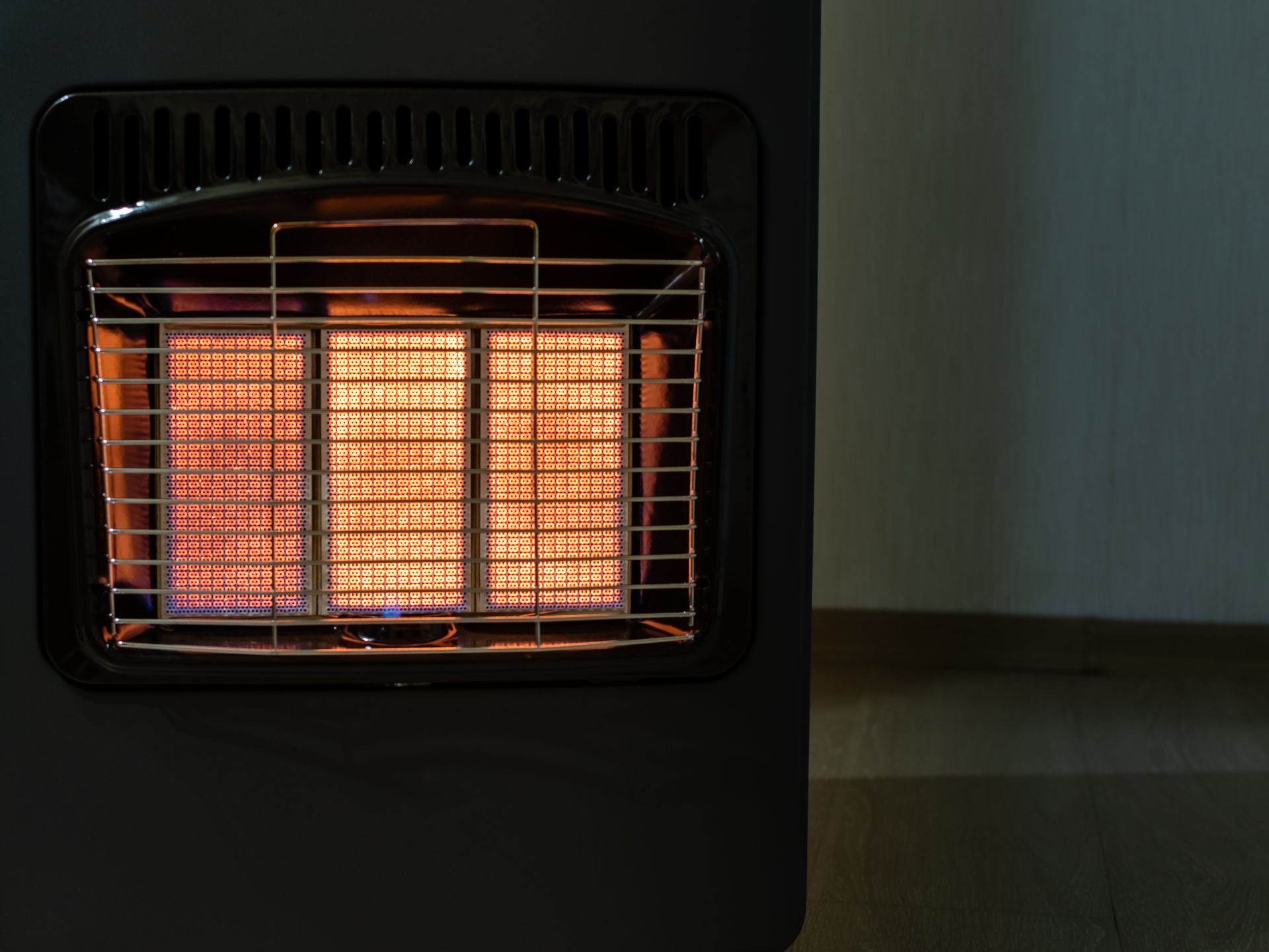
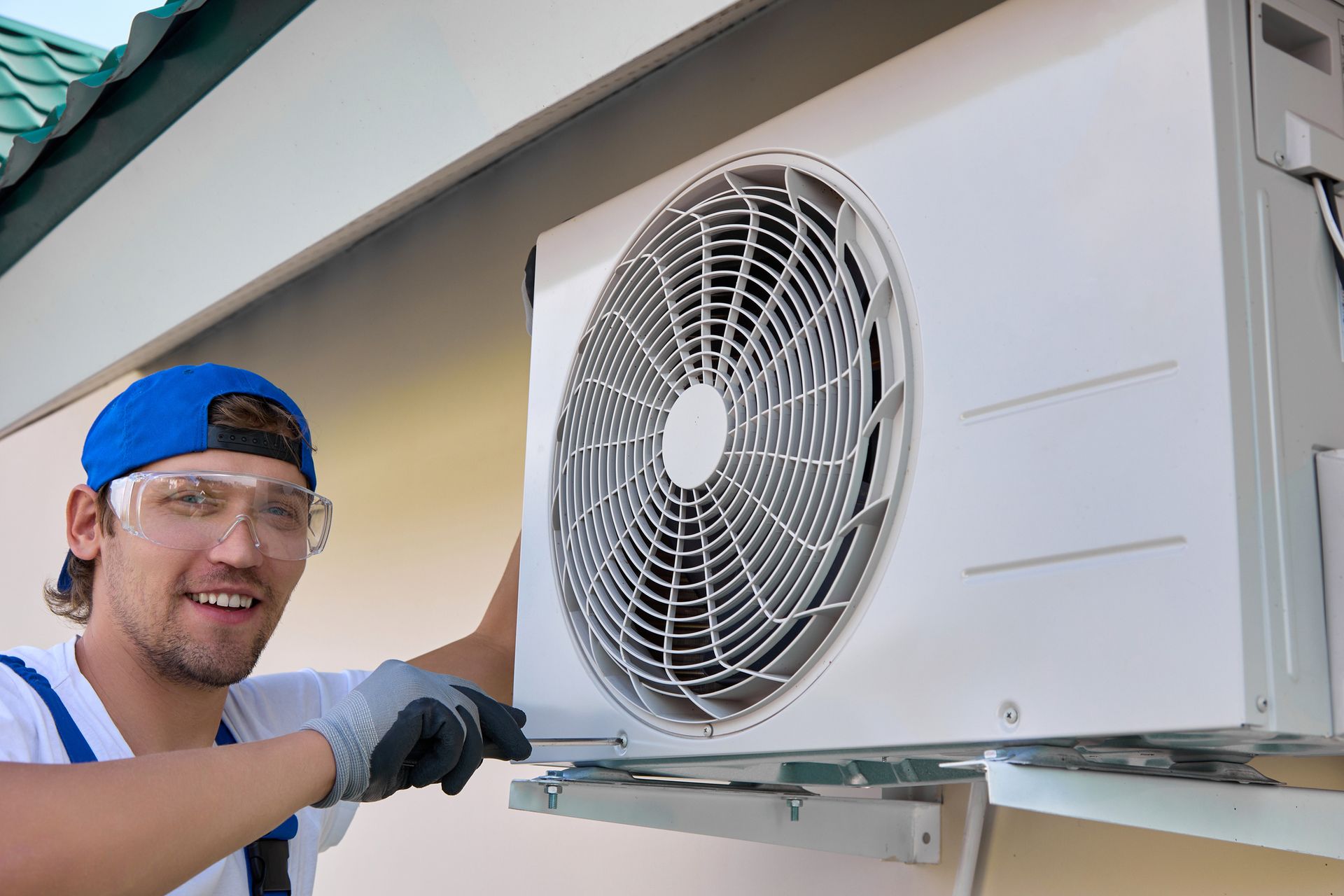
Gas ducted heaters deliver warm air throughout a home via a network of ducts and a central furnace unit. They are a common choice across Melbourne's south-eastern suburbs, including Ferntree Gully, Boronia, and Bayswater, where winter nights can be especially cold. Reverse cycle systems use a heat pump to extract warmth from outdoor air and transfer it inside.
The core difference matters when things go wrong. Gas ducted systems involve a burner, heat exchanger, and flue. Reverse cycle systems involve compressors, refrigerant circuits, and electrical controls. Each requires a different type of technician and a different repair approach.
What Does Heating System Repair Typically Involve for Each Type?
Heating system repair in Melbourne, VIC, varies significantly depending on which system you own.
Gas ducted heaters can develop these common faults:
- Pilot light failure or ignition issues.
- Cracked heat exchangers, which may allow carbon monoxide to enter living areas.
- Blocked or damaged ductwork reducing airflow.
- Faulty thermostats or zone controllers.
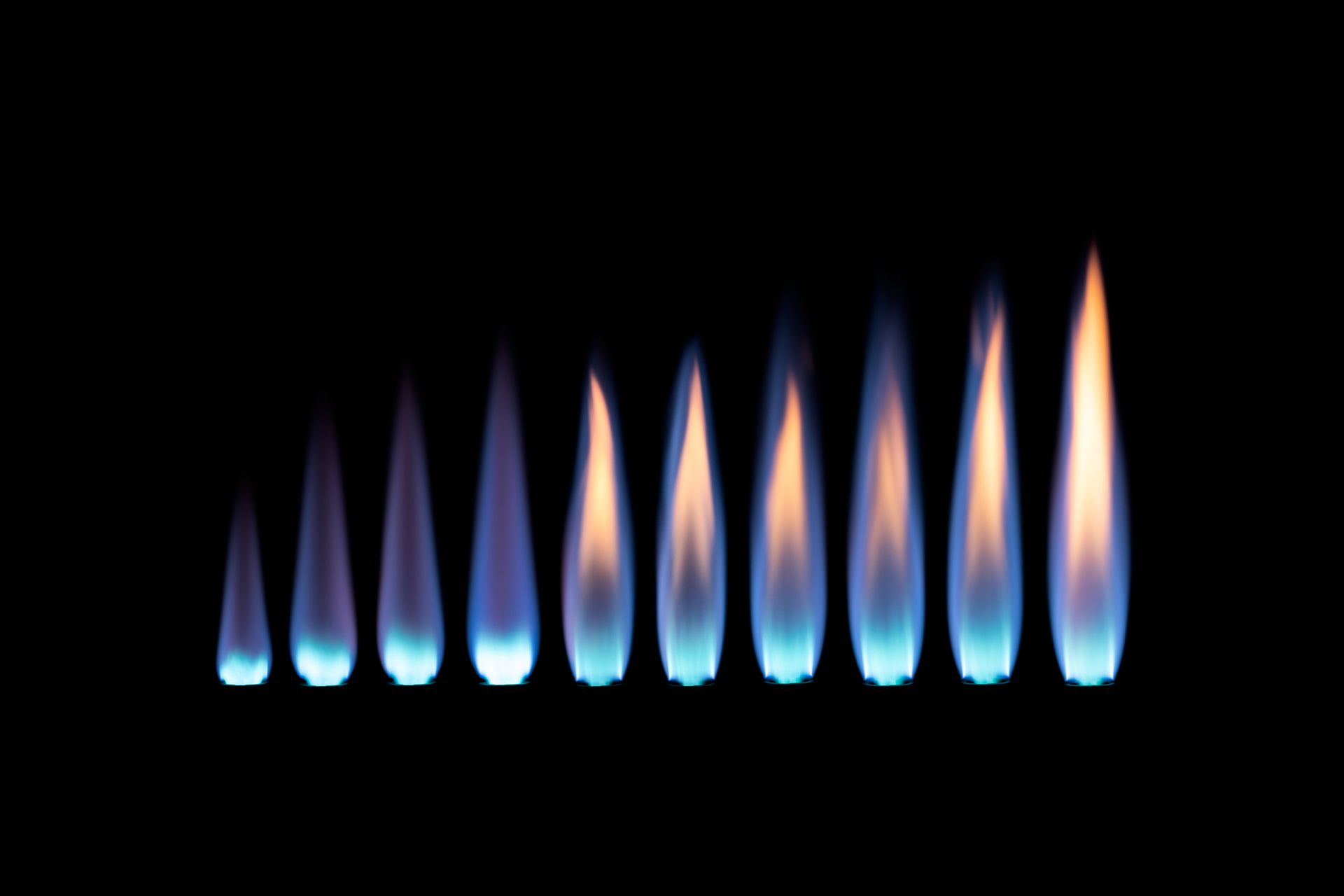
Carbon monoxide safety note: A yellow or flickering pilot flame may indicate incomplete combustion. Only a licensed gas fitter can legally carry out gas heater repairs in Victoria. Do not attempt to fix gas components yourself.
Reverse cycle systems commonly develop these faults:
- Refrigerant leaks reducing heating output.
- Compressor wear or failure, especially in older units.
- Electrical faults in control boards or sensors.
- Blocked filters causing short-cycling or overheating.
Repair or Replace? How to Decide
- Average system lifespan: Gas ducted heaters typically last 15 to 20 years. Reverse cycle systems generally last 10 to 15 years.
- Repair complexity: Gas ducted repairs are higher in complexity, as they require a licensed gas fitter. Reverse cycle repairs are generally moderate in scope.
- Running cost efficiency: Reverse cycle systems offer higher efficiency in mild cold. Gas ducted heaters tend to perform less efficiently in very cold conditions.
- Suitability for Melbourne winters: Gas ducted heaters are rated excellent. Reverse cycle systems are rated good to excellent.
If your system is nearing the end of its lifespan and repair costs are mounting, replacement may offer better long-term value. A professional assessment is the most reliable way to weigh up your options.
For guidance on duct condition, see the
duct repair services page, which explains common duct faults and how they affect heating performance.
Book a Heater Service With Airfix Heating & Cooling
Whether your gas ducted heater or reverse cycle system is underperforming, early action can prevent a minor fault from becoming a costly breakdown. Airfix Heating & Cooling serves Melbourne's south-eastern suburbs, including Ferntree Gully, Boronia, and surrounding areas. The team is fully licensed for both gas and electrical heating work. Call 1300 360 385 to book a heater service, or get in touch online to request a free quote. You can also find and review the business on Google: Airfix Heating & Cooling.